
One space or a whole estate. Built around your guests. Delivered by ARC.
Planning hospitality AV solutions for a hotel, bar, restaurant or sports venue? ARC brings background music systems, multi-zone audio, public displays, digital signage and visitor management systems together through professional AV services. These ten questions explain how to design around your guests, support your staff and deliver a dependable installation, from one space to a whole hospitality estate.
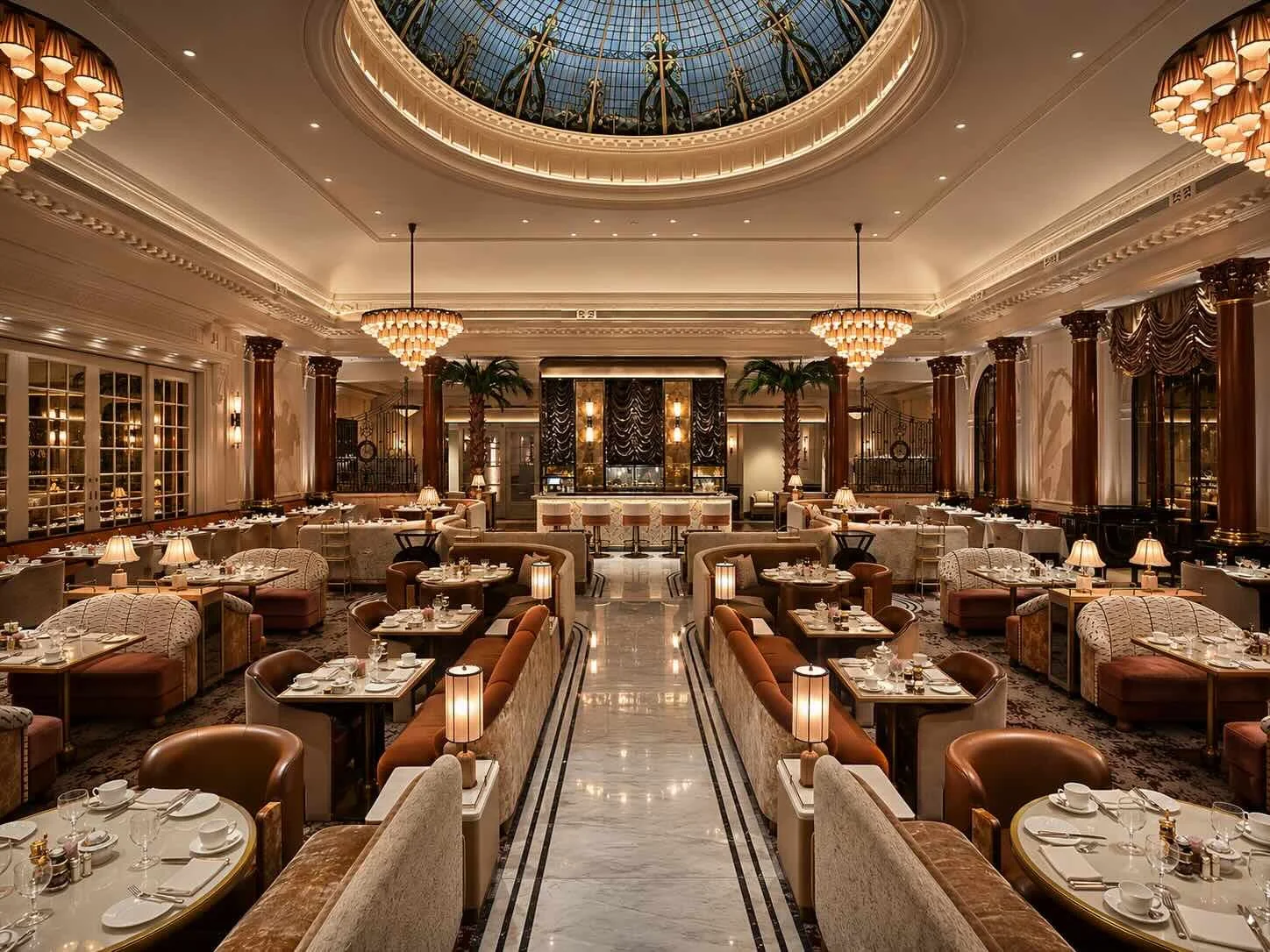
The Gallery at The Savoy, London - Hospitality AV installation
Hospitality integration in practice
The Savoy | The Gallery: the supplied ARC case study brings discreet sound, live-performance connectivity and staff control together with associated IT infrastructure. Hospitality AV project for The Savoy.
Midland Grand Dining Room & Gothic Bar: the supplied ARC case study describes independent audio across restaurant, bar, private dining and terrace, supported by local controls and integrated IT. Hospitality AV project for Midland Grand.
Your Hospitality AV planning questions
What AV does a hotel, bar, restaurant or sports venue actually need?
How should background music and multi-zone audio be designed?
Can one system support dining music, DJs, microphones and live events?
How do we plan public displays and sports screens across several areas?
What makes digital signage, menu boards and videowalls effective?
How can visitor management and reception displays improve arrivals?
Can staff control the audio, screens and event modes without specialist help?
How much should hospitality AV cost, and can existing equipment be retained?
How can installation and commissioning be managed around trading hours?
How do we support one venue or roll out AV across a whole estate?
1. What AV does a hotel, bar, restaurant or sports venue actually need?
Begin with the guest journey and the way each space trades. A hotel lobby may need discreet sound and welcome information; a restaurant needs comfortable music and clear menus; a sports bar needs visible screens and flexible match audio. Event and private-dining rooms may add microphones, presentation inputs and conferencing. The equipment should follow the operating brief.
How ARC helps: ARC can consult venue management, operations, IT and interior-design teams, then map the required sources, displays, audio zones and user controls. Agree opening hours, accessibility, event use and the atmosphere you want in each area. A coordinated design prevents separate technology purchases becoming a difficult system to operate.
2. How should background music and multi-zone audio be designed?
Background music should suit the space without dominating conversation. Consider coverage, speaker positions, room finishes and the different needs of the lobby, dining area, bar, private rooms and terrace. Independent source and level control lets staff adapt zones to changing occupancy and trading periods. Outdoor areas need equipment and installation suited to their exposure.
How ARC helps: ARC can design loudspeaker coverage, amplification and audio processing, coordinate discreet finishes and create practical zone presets. At the Midland Grand, the supplied case study records four controlled areas spanning restaurant, bar, private dining and terrace. That illustrates a venue-led audio approach; your installation should be designed and tested around its own spaces.
3. Can one system support dining music, DJs, microphones and live events?
It can, when those operating modes are planned into the design. Background music, foreground entertainment, microphones and DJ sources place different demands on the system. Define input locations, expected sound levels, operator permissions and the transition between normal service and events. Confirm music-service and entertainment permissions with the venue’s providers as part of operational planning.
How ARC helps: ARC can coordinate input panels, wireless microphones, mixing and processing, source selection and appropriate staff controls. The Savoy Gallery case study combines discreet audio with performance and DJ connectivity, while Midland Grand includes curated music, DJ and local inputs. Commission the agreed modes separately so event use does not depend on staff improvising connections.
4. How do we plan public displays and sports screens across several areas?
Work from sightlines, screen size, ambient light, operating hours and the content guests need to see. A sports venue may require several channels or events at once, with selected sound in different zones. Agree source capacity, signal routing, display control and acceptable differences in timing between screens. Confirm commercial subscriptions and public-screening arrangements with the relevant providers.
How ARC helps: ARC can survey viewing positions, specify suitable commercial displays and mounting, and design the distribution and control infrastructure. Test the real sources, channel changes, audio selection and restart behaviour. Public displays should be easy for staff to manage during service, with a defined route to restore normal operation after an event.
5. What makes digital signage, menu boards and videowalls effective?
Effective signage begins with a content plan. Define where guests need menus, promotions, event schedules, welcome messages or wayfinding, then choose displays and layouts around viewing distance and readability. Plan how authorised staff update content, how schedules work and what a screen shows if the network or content service is unavailable.
How ARC helps: ARC can coordinate displays, media players, mounting, signal connections and the content-management platform. Agree templates, ownership and approval before handover, then test scheduling and remote updates where supported. A videowall or large-format display should form part of the venue’s wider visual plan rather than become an isolated screen with no one responsible for keeping it current.
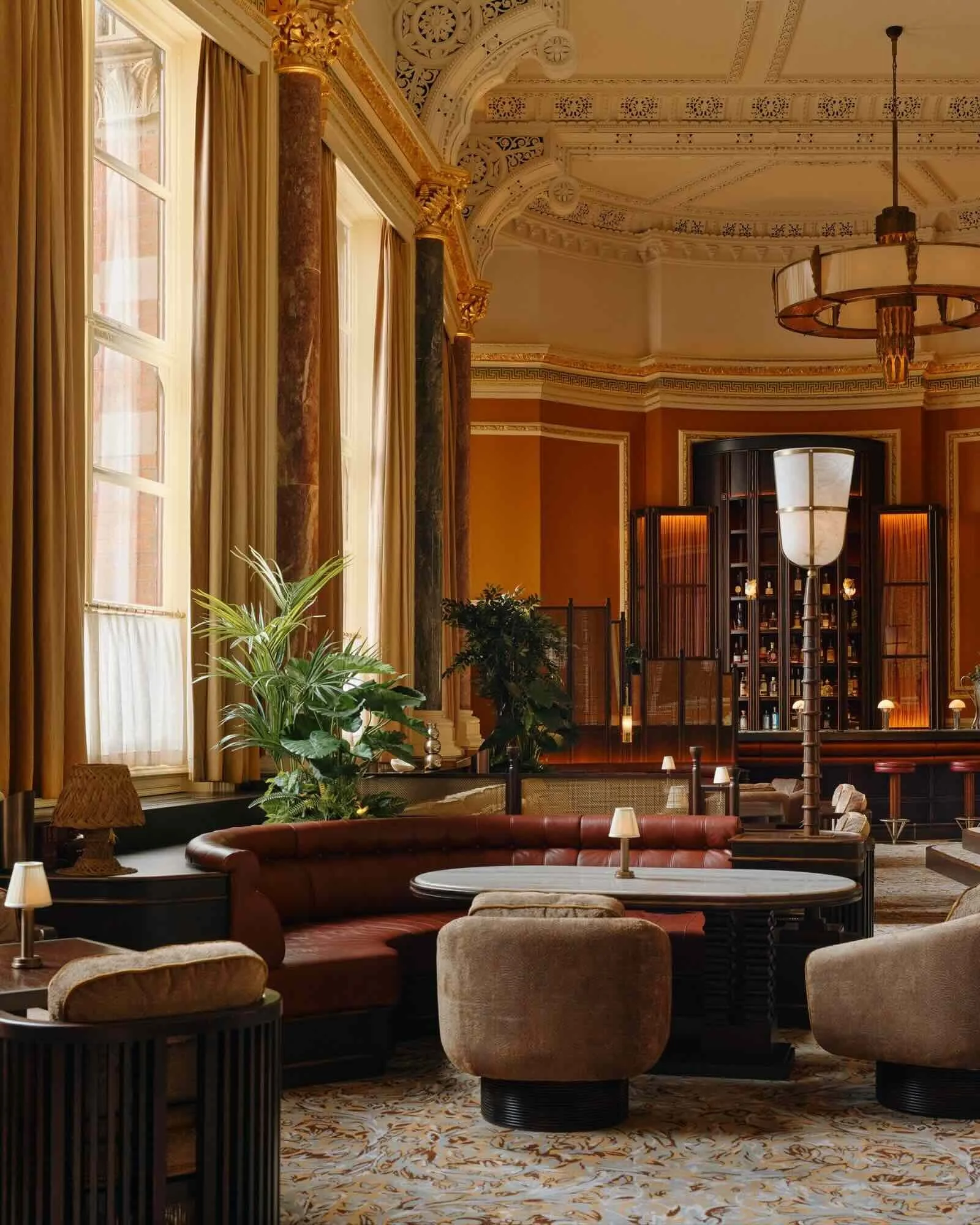
Midland Grand Dining Room, London - venue photography credited to Manhattan Loft Corporation - Hospitality AV installation
6. How can visitor management and reception displays improve arrivals?
Digital welcome screens, directories and visitor check-in can help guests, delegates and contractors find the right destination. Specify whether the requirement is event registration, host notification, badge printing, wayfinding or another arrival workflow. A visitor-management platform is not automatically a hotel property-management, payment or access-control system; any connection needs its own agreed scope.
How ARC helps: ARC can help select compatible kiosks, touchscreens, reception displays and supported integrations. Coordinate information handling, permissions and retention with the organisation’s responsible teams. Test a realistic arrival, including accessibility and an alternative staff-assisted route. Agree who supports the software and what reception staff should do if a connected service is unavailable.
7. Can staff control the audio, screens and event modes without specialist help?
Yes, if the control design reflects daily tasks. Staff may need a small set of functions: select an approved source, adjust a zone, start an event preset or restore normal service. Unrestricted engineering menus can create avoidable problems. Network connections and remote access also need an agreed design and clear ownership.
How ARC helps: ARC can develop understandable control interfaces, configure audio presets and coordinate the associated network infrastructure with IT. The supplied Savoy and Midland Grand case studies show audio controls delivered alongside integrated IT work. Train different staff roles on the controls they need, and document how faults and exceptional requests are escalated.
8. How much should hospitality AV cost, and can existing equipment be retained?
Compare the complete installed and supported solution, not just hardware prices. Include surveys, design, mounting, cabling, rack work, programming, commissioning and training. Allow for content subscriptions, support, maintenance access and lifecycle replacement. Existing speakers, displays or infrastructure may be reusable after checking their condition, capability and compatibility with the proposed system.
How ARC helps: ARC can assess the current installation and develop a clear equipment-and-services proposal, separating essential work from phased improvements. Identify remedial work and dependencies early. A retained component should support the agreed guest experience and operating requirements; it should not be kept solely because it still powers on.
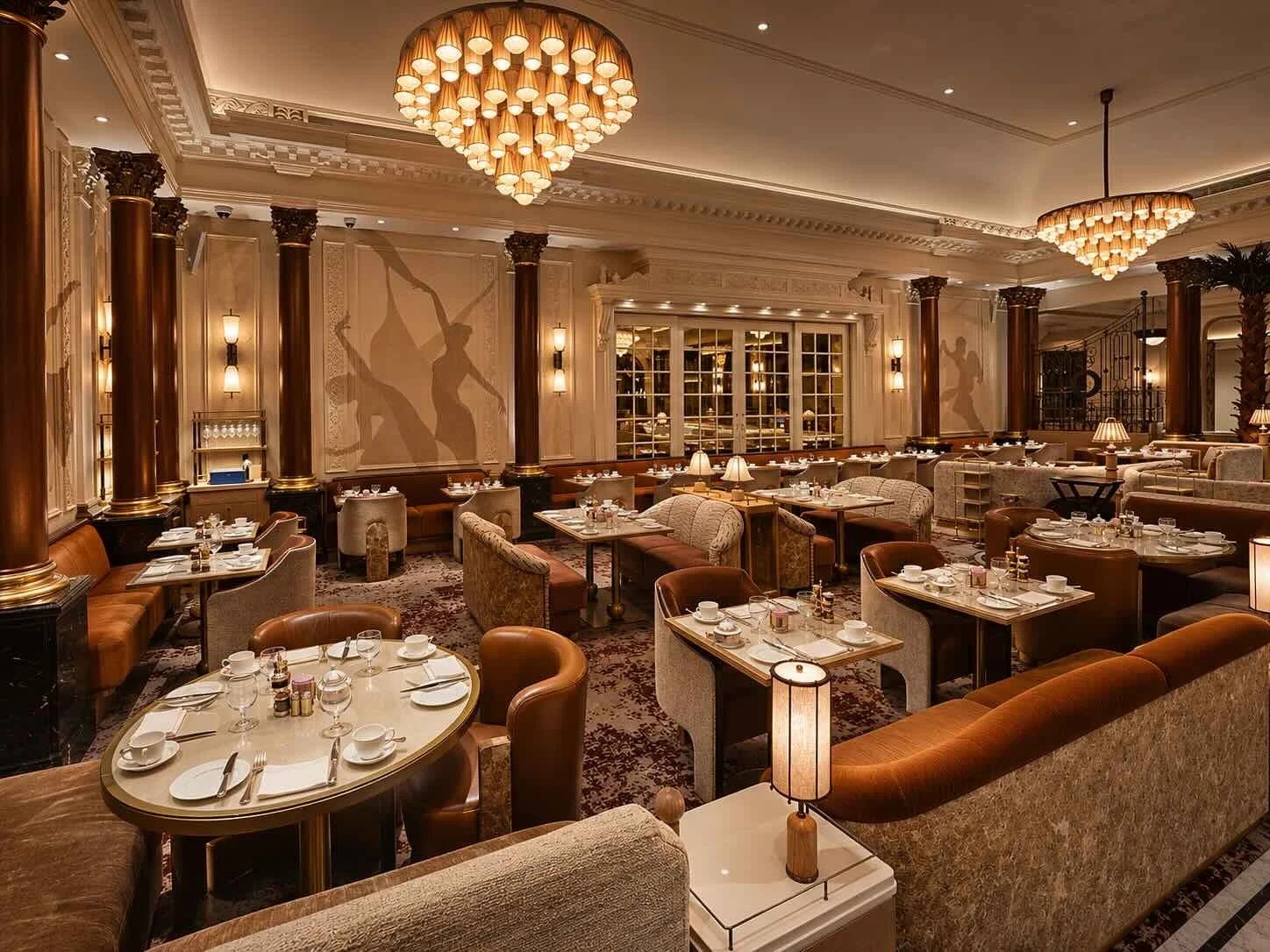
The Gallery at The Savoy - showing the hospitality setting.
9. How can installation and commissioning be managed around trading hours?
Plan the work with operations, facilities and the wider project team. Identify room access, guest-facing work, noise-sensitive periods and any shutdowns or temporary arrangements. Off-site preparation can reduce on-site setup, while phased installation helps keep areas available. Agree power, data, builders’ work and making-good responsibilities before works begin.
How ARC helps: ARC can coordinate project management, design development and CAD, equipment supply, pre-staging and rack build, on-site engineering, audio/control programming and configuration. Commission each operating mode, arrange client or consultant witness testing where specified, and record sign-off. Staff training, quick guides and operating records complete the handover.
10. How do we support one venue or roll out AV across a whole estate?
Use repeatable standards for room types, naming, configurations and staff workflows, with documented exceptions for each venue. Prove a pilot before a larger rollout and maintain an asset register. Build maintenance, software updates and replacement planning into the operating model, alongside a clear route for staff to report problems during service.
How ARC helps: ARC can coordinate phased deployment across sites and agree ongoing support around business priorities. Define remote access, monitoring, preventative visits, update windows, spare equipment and incident escalation. Service hours, response targets and parts arrangements should be explicit. Use operational feedback to refine the standard while preserving the character and requirements of each venue.
From one hospitality space to a whole estate
The same delivery disciplines apply at every scale. One space needs a clear brief and complete testing; a multi-site programme also needs repeatable room standards, coordinated logistics and an agreed operating model. ARC’s professional AV services can be scoped around each stage.
| Delivery stage | What to agree with ARC |
|---|---|
| Discover & survey | Capture users, room types, existing equipment, site constraints, IT dependencies and the intended support model. |
| Design & specify | Develop room layouts, signal paths, CAD drawings, equipment schedules, controls and acceptance criteria. |
| Prove the pilot | Pre-stage the system, validate accounts and integrations with IT, and test the intended meeting workflows. |
| Prepare & install | Coordinate procurement, rack build, site readiness, mounting, cabling and installation across the agreed programme. |
| Configure & commission | Set up the room technology, implement agreed programming and run recorded functional and witness tests. |
| Train & hand over | Provide user and administrator guidance, as-built documentation, configuration records and agreed sign-off. |
| Support & improve | Define maintenance, remote assistance, incident escalation, controlled updates and lifecycle planning. |
Hospitality AV built around the guest experience
From background music systems and multi-zone audio to public displays, digital signage and visitor management, ARC can coordinate technology around hotel, restaurant, bar and sports-venue operations. Familiar controls support staff, while individual zones retain the experience their guests need.
Plan your Hospitality AV deployment with ARC.
Whether you are equipping one space, refreshing a venue or planning a whole hospitality estate, talk to ARC about tailored hospitality AV design, equipment supply, installation, commissioning, staff training and ongoing support.